
Journal
Fulani in Ghana: Emerging Mission Possibilities and Approaches
The Fulani in Ghana for decades have largely remained unengaged in mission work. The factors that have hindered any meaningful engagement by the Church among this widely spread people group in West Africa are several and include the perennial farmer-herder conflicts, prejudice, stereotype, and fear of the Fulani among indigenous people. These factors have for a long time made it appear impossible for the Church to become a witness among the Fulani in Ghana. This research first, explores the few mission attempts made by some mission agencies. To evangelise the Fulani, the research work secondly examines the challenges associated with Christian mission among the Fulani and the difficulties faced by the Fulani in their daily lives with their cattle. Thirdly, the paper investigates emerging mission possibilities and approaches among the Fulani as a nomadic group. The framework that allows one to explore these possibilities holistically are the Five Marks of Global Mission as outlined in Mission in 21st Century; Exploring the Five Marks of Global Mission. Lastly, the research highlights the importance of contextualization in mission, especially that the Fulani must essentially hear, understand, and respond to the Gospel in their native language, Fulfulde.
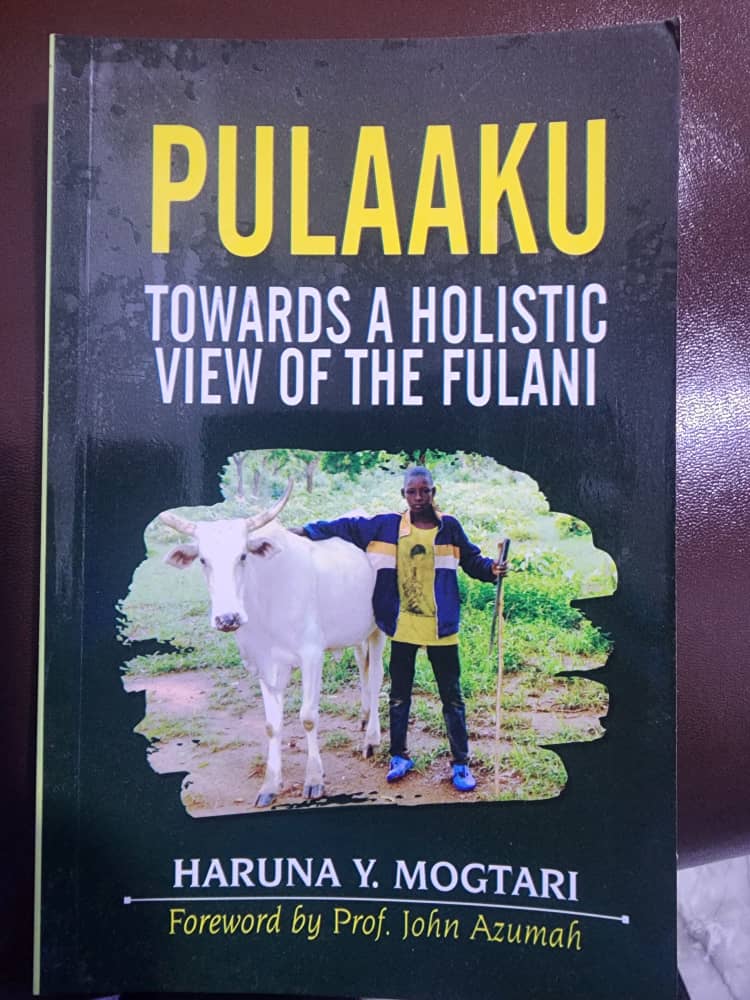
Book
PULAAKU Towards A Holistic View Of The Fulani
This book is the result of a groundbreaking research in Christian Mission with the Fulani in both the fields of the gospel and culture, as well as missiology at the Akrofi-Christaller Institute of Theology, Mission and Culture. It is written primarily for workers and equally for those intending to work in cross-cultural mission with the Fulani, particularly, in the Ghanaian context. However, workers in other cultural contexts can glean from the concepts and mission methods in this volume. The notions of holistic and incarnational mission are fundamental to this research and they are creatively integrated so that each perfects the weakness of the other. It draws from a wide range of sources—that is, consisting largely of primary sources through interviews, observations, focus group discussions, print and electronic media, and statistical data from the Ghana Statistical Service. The reader will enjoy rich experiences from cross-cultural Missionaries and Fulani Pastors in countries including Ghana, Burkina Faso, Mali, Niger, Côte d’Ivoire, Benin and Nigeria. The book compares theological issues of herder-host conflicts in the Old Testament with the perennial farmer-herder clashes in Ghana in an attempt to suggest solutions to the efforts of government agencies as well as how the Church can get involved.
